
Spirulina and Iron: Can Algae Support Healthy Iron Levels?
Affiliate disclosure: This post contains an affiliate link. If you purchase through it, I may earn a small commission at no extra cost to you.
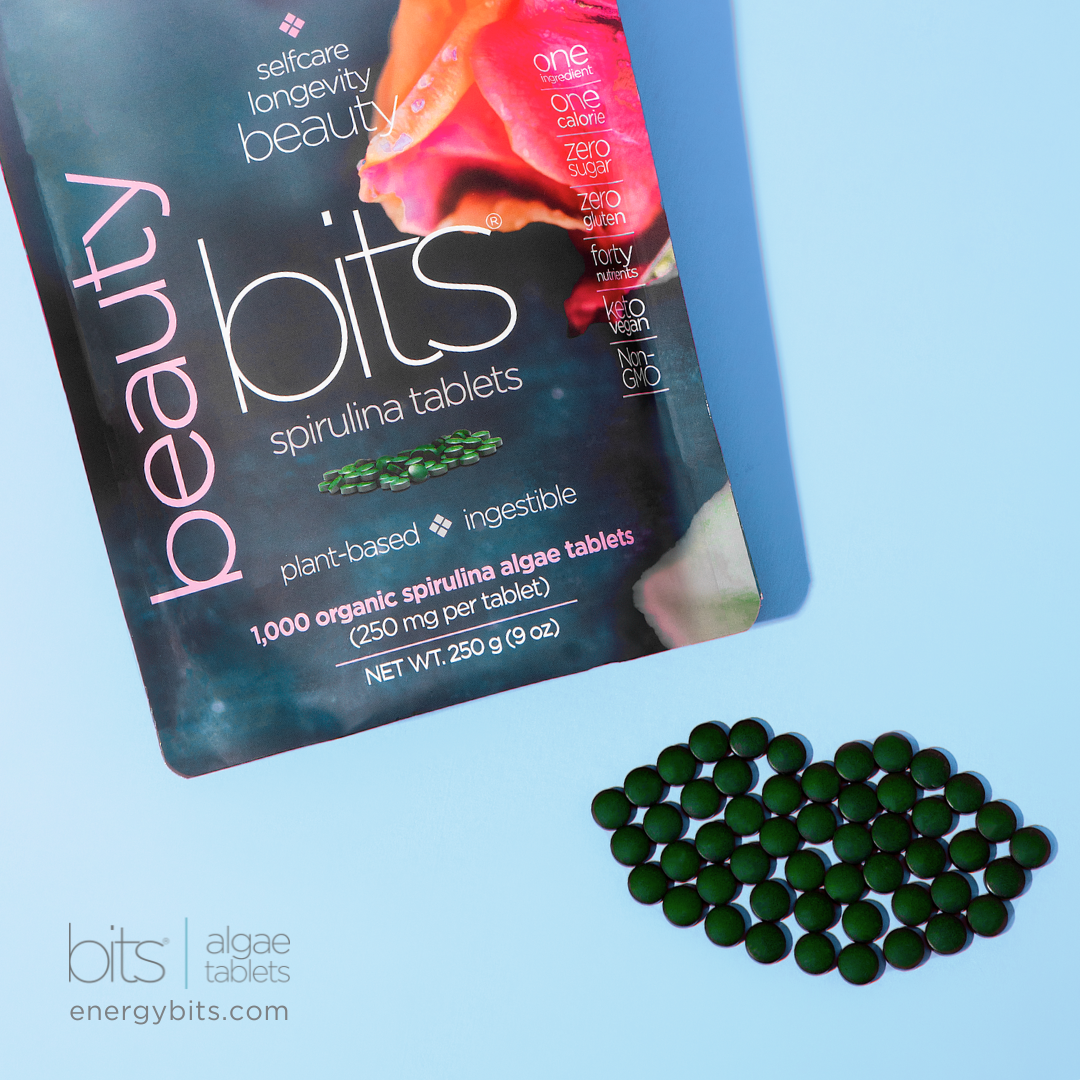
If there's one lab value I ask about more than almost any other in practice, it's iron status, specifically ferritin, the storage form of iron. Low iron is one of the most common, and most commonly missed, contributors to fatigue, especially in women of reproductive age and those navigating perimenopause with heavier or irregular cycles.
Spirulina's Iron Content
Spirulina is frequently cited as containing significantly more iron per gram than beef liver, historically considered one of the richest dietary iron sources. Reported figures vary by source and cultivation batch, but spirulina commonly falls somewhere in the range of 28-30 mg of iron per 100 grams, compared to roughly 6-7 mg per 100 grams in beef liver. Because typical serving sizes are small (a few grams), the absolute iron delivered per serving is modest, but meaningfully additive when layered into a broader diet.
Absorption: The Nuance That Matters
Here's the detail that responsible nutrition education has to include: not all dietary iron is created equal. Heme iron, found in animal products, is more readily absorbed by the body than non-heme iron, found in plants and algae. Spirulina's iron is non-heme, which means absorption is generally lower and more dependent on other dietary factors, particularly vitamin C intake alongside the meal, which significantly enhances non-heme iron absorption.
This is an important nuance because marketing sometimes flattens "spirulina has more iron than liver" into an implied equivalence that doesn't hold up under closer inspection. The honest version: spirulina is iron-dense, but its iron is likely less efficiently absorbed than heme sources, gram for gram, unless paired thoughtfully.
The TCM Lens: Building Blood
In Traditional Chinese Medicine, what we call "iron deficiency" in Western terms frequently overlaps with the pattern TCM describes as Blood deficiency, presenting as fatigue, pale complexion, dizziness, brittle nails, and in women, changes to menstrual flow. TCM has long prioritized foods considered "Blood-building," historically including dark leafy greens, certain organ meats, and nutrient-dense whole foods, for exactly this presentation.
Spirulina fits naturally into this Blood-building category, not as a replacement for addressing a diagnosed deficiency medically, but as a supportive, food-based layer alongside appropriate clinical care. This is a distinction I'm careful about with every client: if ferritin is genuinely low, that deserves proper testing and, often, a more concentrated intervention than a few grams of algae daily. Spirulina is a supportive habit, not a substitute for treating a diagnosed deficiency.
What Research Has Actually Examined
Some smaller studies, particularly in populations at risk for iron-deficiency anemia (including studies conducted in regions where spirulina is used as a public health nutrition intervention), have examined spirulina supplementation alongside standard nutrition programs, generally as a complementary strategy rather than a stand-alone treatment. This is a meaningfully different claim than "spirulina cures anemia," and it's worth being precise about that distinction in any content addressing this topic, given how seriously iron-deficiency anemia should be diagnosed and monitored.
Who Should Be Cautious
One important safety note: iron overload conditions, such as hemochromatosis, mean that anyone with a known iron-metabolism disorder should not be adding iron-dense supplements, including spirulina, without medical guidance. This is exactly the kind of detail that belongs in every piece of content touching iron, since "more iron" isn't universally beneficial.
The Bottom Line
Spirulina is genuinely iron-dense, and its inclusion in a daily ritual like Energy Bits can be a supportive, food-based layer for people generally managing energy and Blood-building goals. But it's not a substitute for diagnosing and treating clinical iron-deficiency anemia, and it's not appropriate for everyone. Precision here matters more than most other claims in this series, because iron status is a genuinely clinical issue that deserves to be treated with the seriousness it warrants.




This post is for educational purposes and reflects general research on spirulina and iron. It is not a substitute for individualized medical advice or lab testing. If you suspect iron deficiency or have a known iron-metabolism condition, please consult your physician before adding any iron-containing supplement to your routine.
